What We Wish Every Client Knew Before Starting
Planning a Successful Home Renovation
At Atelier Shan, we have seen what happens when a renovation begins without a clear plan, and we have seen what happens when it begins with one. The difference is not subtle. It shows up in every decision, every site meeting, and ultimately, in how a home feels to live in years after the contractor has left.
Renovating in Hong Kong is particular. The apartments are compact, the building management offices have their own pace, and the logistics of getting materials up a service lift on a Tuesday between 9 and 5 are real constraints that shape a project from day one. Over the years, we have learned that the most successful renovations are not defined by the biggest budgets or the most dramatic transformations. They are defined by the quality of thinking that happens before anything is built.
This is what we have learned about getting that early stage right.
Start with How You Live, Not How You Want Things to Look
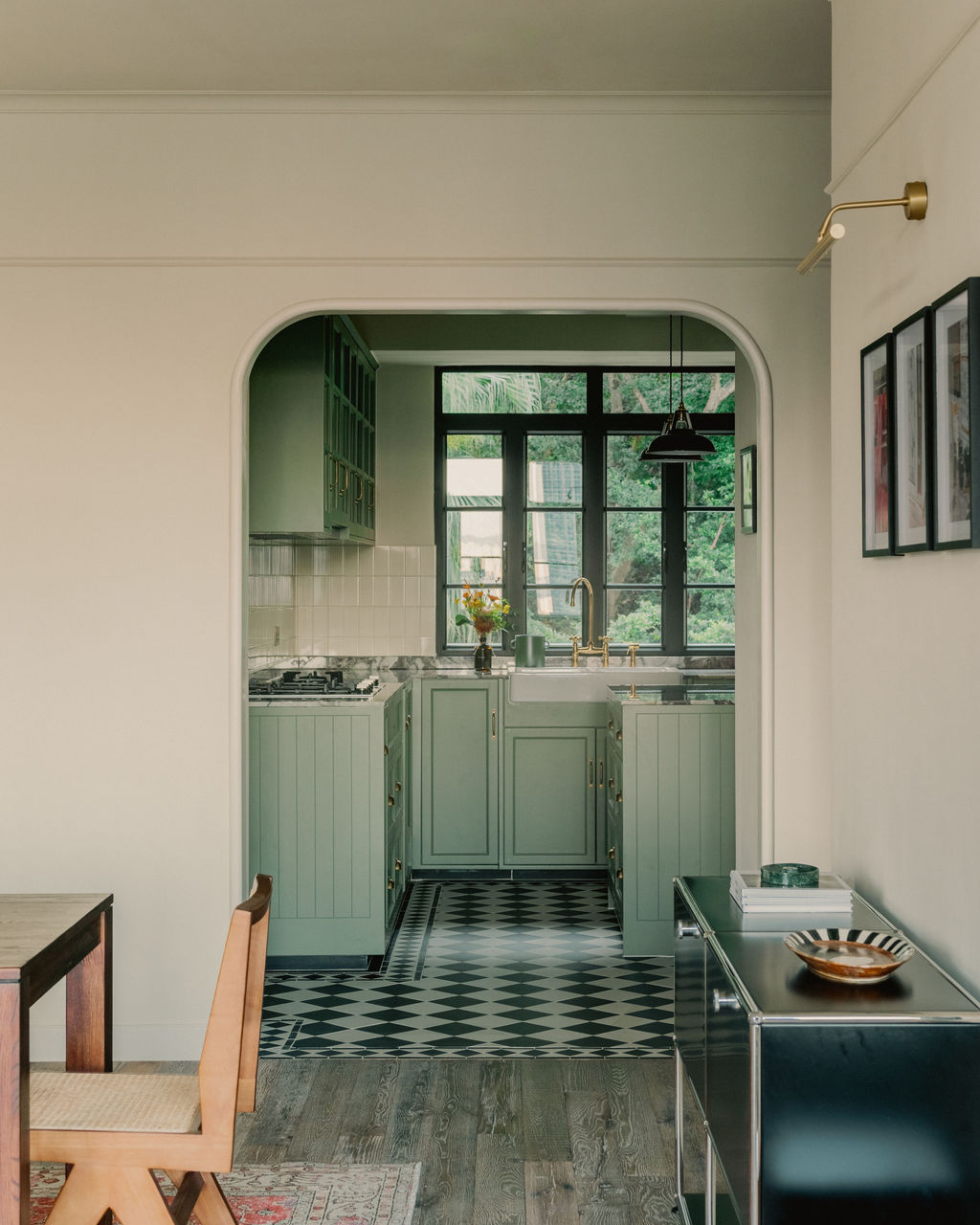
When a new client comes to us, we rarely begin by asking about style. We ask about mornings. We ask what frustrates them when they come home. We ask where things pile up, where the light falls, and what they wish they could do in their apartment but cannot.
One couple came to us after living in their Mid-Levels flat for six years. Their initial brief was simple: they wanted a "more modern" kitchen. But when we sat down together and talked through their daily routines, what emerged was something different entirely. The kitchen was not the problem. The problem was that the flat had no transition between the front door and the living space, which meant bags, shoes, and keys accumulated on every surface. The kitchen felt cluttered because the whole apartment lacked a system for arrival. We ended up redesigning the entrance sequence, introducing a joinery wall that concealed storage, coats, and even the router. The kitchen itself barely changed, but the whole flat breathed differently.
That is what we mean when we say priorities need to be defined honestly. A wish list is a starting point, not a brief. The brief comes from understanding which problems, once solved, would change the way you experience your home every single day.

Be Honest About Budget - And Let Us Help You Spend It Well
We understand that budget conversations can feel uncomfortable. Nobody wants to share a number and feel judged for it, or worry that their designer will simply spend to the ceiling. At Atelier Shan, we approach budget as a design constraint, and constraints are what make good design possible.
A renovation budget in Hong Kong needs to cover more than the contractor's quote. Our professional fees, any required permits or submissions to the Buildings Department, material procurement, furniture, delivery, and a contingency of at least ten to fifteen percent should all sit within the number you have in mind. We have seen projects stall because a client allocated their entire budget to construction, only to realise they had nothing left for the curtains, the lighting, or the bed they actually wanted to sleep in.
We also believe strongly in directing money where it matters most. A family in Sai Ying Pun came to us with a reasonable but not unlimited budget for their three-bedroom flat. Rather than spreading the spend evenly, we worked together to invest heavily in bespoke joinery throughout the children's rooms, built-in desks, concealed beds, and storage that could adapt as the kids grew, while keeping the master bedroom deliberately simple, with good paint, considered lighting, and a beautiful linen headboard we had made locally. Five years on, that joinery is still working exactly as it should, and the children's rooms have evolved with them without needing further renovation.
The things that are easy to change later, a side table, a piece of art, a throw, can wait. The things that are built into the bones of your home cannot. Knowing the difference is where good budget planning begins.
.jpg)
Why Working With a Designer Early Changes Everything
We sometimes hear from homeowners who have already chosen their contractor, agreed a layout, and even selected tiles before reaching out to us. At that point, what they are looking for is decoration, and while we can certainly help, the opportunity to truly rethink a space has often already passed.
Design is most powerful when it is involved from the start, when it can question assumptions, test layouts, and explore possibilities that a homeowner might not have considered. We had a client in Happy Valley who was convinced she needed to knock through her kitchen wall to create an open-plan living space. It was the first thing she said in our initial meeting. But after we studied the flat together, measured the light at different times of day, and talked about how she actually entertained, we proposed keeping the wall but introducing a wide, steel-framed glazed opening instead. It maintained the sense of separation she needed when cooking for her two young children, while completely transforming the visual connection between the rooms. She told us later it was the single best decision of the project, and it was one she would never have arrived at alone.
When you work with us, we ask you to share references, images, links, even restaurant interiors or hotel rooms you have loved. But more than the images themselves, we want to understand what draws you to them. Is it the warmth of the timber? The ceiling height? The quiet? The way a room feels uncluttered? These instincts tell us far more than a Pinterest board alone, and they help us design something that genuinely belongs to you rather than something that belongs to a trend.
How a Project Comes Together: Coordination Behind the Scenes
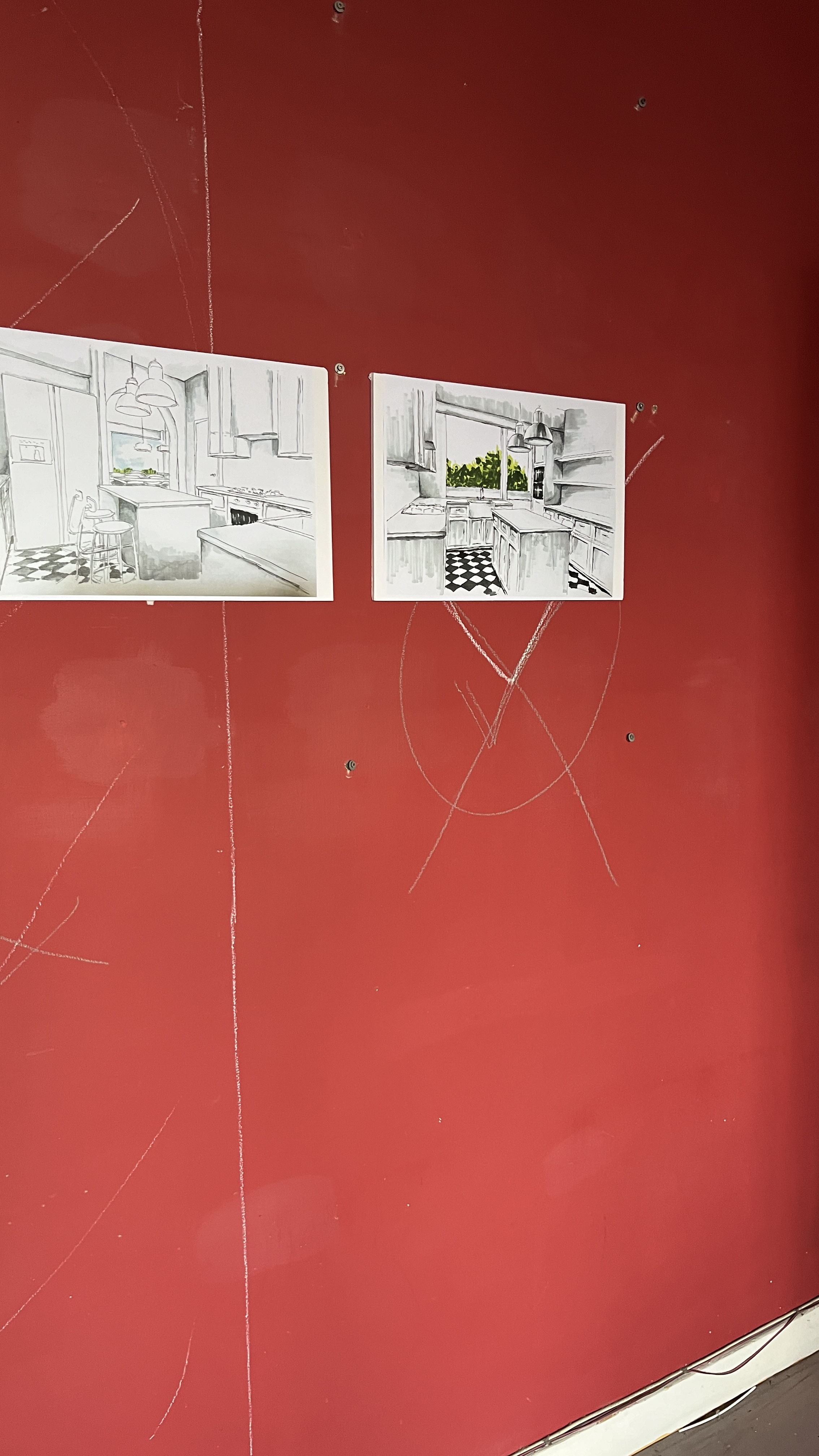
Something clients often tell us they did not expect is how many people are involved in a residential renovation. On a typical Hong Kong apartment project, Atelier Shan coordinates with structural engineers, building surveyors, lighting designers, AV consultants, and the contractor and their subcontractors. We act as the central point, ensuring that what is designed on paper is what gets built on site.
Contractor selection is something we take seriously. We work with a small number of contractors we trust, people whose workmanship we have seen firsthand and whose communication we can rely on. In Hong Kong, a recommendation from someone who has been through a renovation themselves is worth more than any online listing. We have learned, sometimes painfully in our early years, that the lowest quote rarely represents the best value. A contractor who flags a problem at week two, before it becomes expensive, is worth their weight in gold.
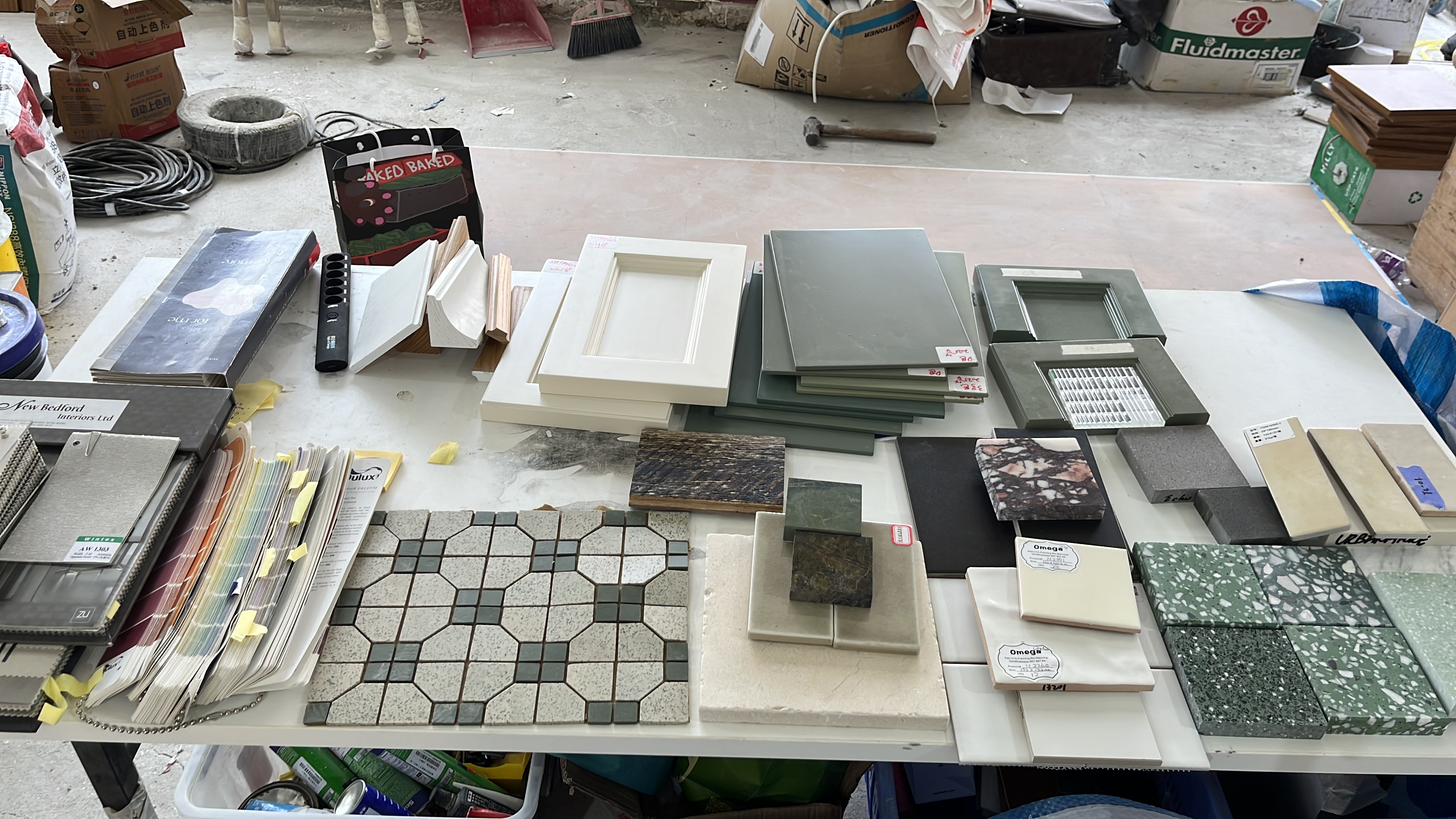
Once construction begins, the pace picks up quickly. We schedule regular site visits, and we encourage our clients to join when they can. Seeing your home take shape is one of the genuine pleasures of the process, but it also means you are present for the smaller decisions, the exact position of a socket, the tone of a grout, that collectively determine how the finished space feels. We keep communication open and clear throughout, because a renovation should never feel like something happening to you. It should feel like something you are part of.
Give the Process the Time It Deserves
We will not pretend this is quick. A well-considered renovation in Hong Kong, from initial consultation through design, procurement, and construction, typically takes between six and twelve months depending on scope. Bespoke joinery has lead times. Imported stone needs to be selected, cut, and shipped. Building management approvals follow their own calendar.
We have learned to be upfront about this because we have seen what happens when a project is rushed. A client once asked us to compress a full apartment renovation into ten weeks because of a lease deadline. We advised against it, but the timeline was fixed. The result was a series of compromises, materials chosen for availability rather than suitability, finishes that were adequate but not what we would have specified given more time. The apartment looked fine. But it did not feel like the home we had designed together, and that stayed with us.
The projects we are proudest of are the ones where clients trusted the timeline, stayed engaged through the slower phases, and allowed each decision the space it needed. Those are the homes that still feel right years later. Those are the ones where nothing jars, nothing was forced, and everything has a reason for being there.
A Final Thought
A home renovation is not a transaction. It is a process of figuring out what matters to you and building a space that supports it. At Atelier Shan, that is the work we care about most, not the before-and-after photograph, but the daily life that unfolds in a space long after the project is complete.
If you are considering a renovation and want to talk through where to begin, we are always happy to have that first conversation. No commitment, no pressure, just an honest discussion about your home, your priorities, and whether working together might make sense.