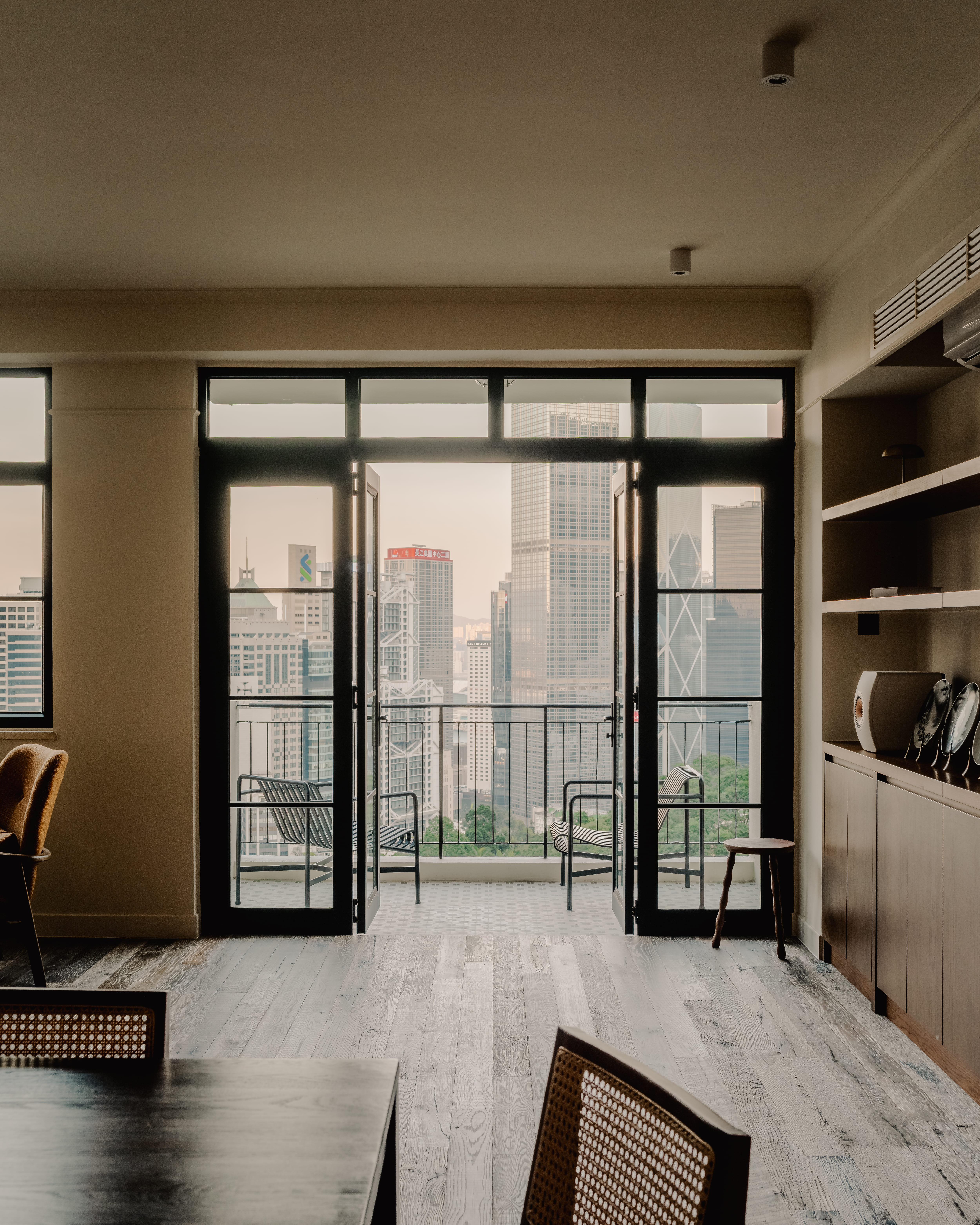
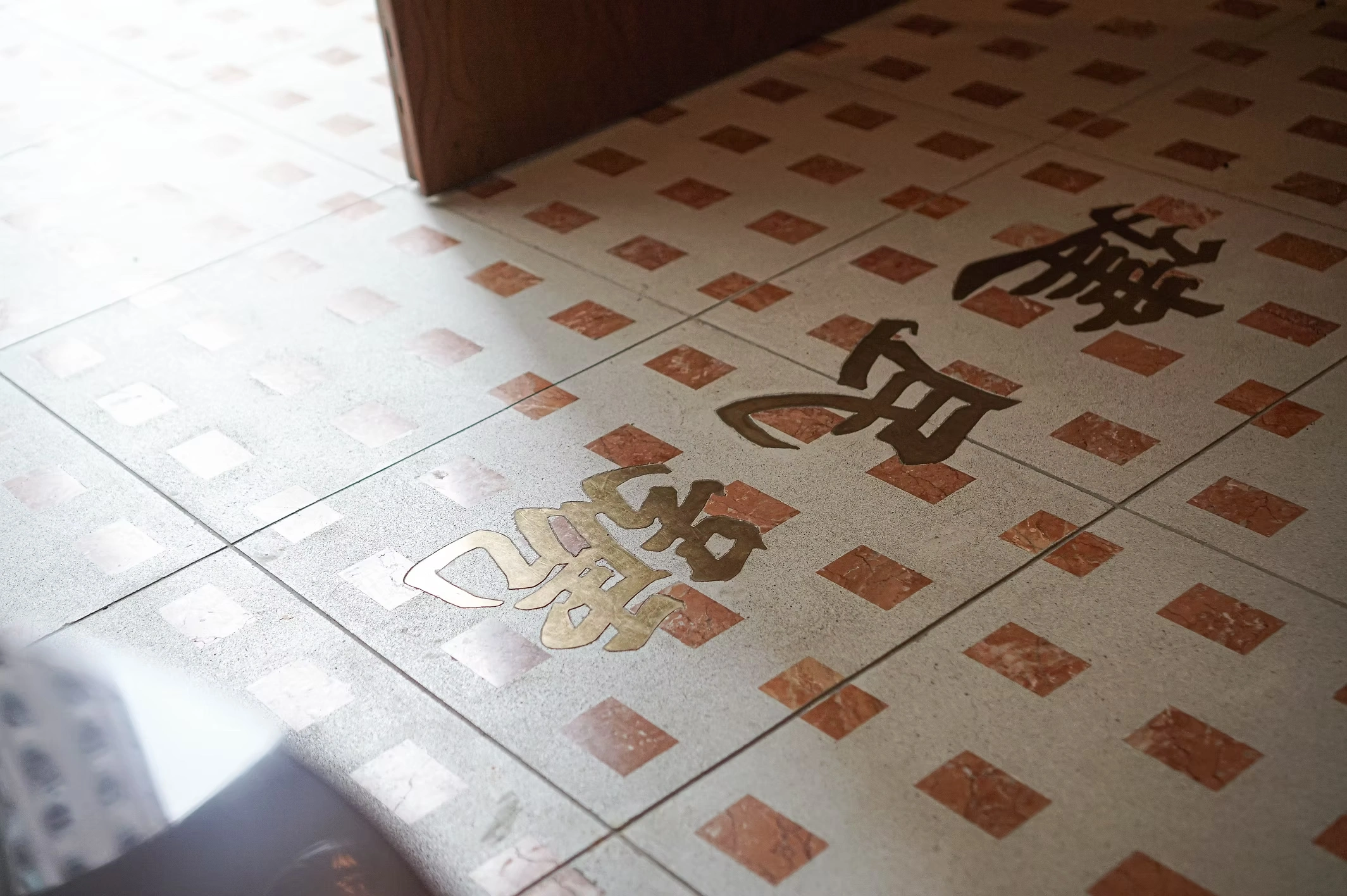
Materials play a central role in how Atelier Shan designs, because they shape how a space feels to live in, not just how it looks.
For Atelier Shan, these conditions are not obstacles but starting points. Working within existing spaces requires understanding how a building was originally conceived, how it has evolved, and how it continues to function today. This process begins with careful observation of the building’s structure, proportions, and circulation before introducing any new design elements.
Older buildings often contain spatial constraints that cannot easily be altered. Structural walls, beams, columns, and staircases define how the space can be organised. Rather than attempting to conceal these elements, Atelier Shan often incorporates them into the design language of the project.
In some cases, architectural features become focal points. In The Joi House, a residential project in Hong Kong, the staircase was developed as a central feature within the home, acting as both circulation and visual anchor. Through the use of lighting, artwork, and careful detailing, it becomes the heart of the interior rather than a purely functional element.
Structural constraints can also shape spatial identity. At The Roberts, a Mid-Levels apartment located in Hoi Deen Court, existing structural beams were integrated into the design to form arched portals between spaces. These elements establish a rhythm throughout the apartment while maintaining the integrity of the original structure.
Columns and corners can offer similar opportunities. In larger buildings, structural columns sometimes occupy prominent positions within the layout. Rather than disguising them, these elements can be incorporated into functional uses such as counter ledges, seating edges, or subtle spatial dividers. Corners can also be developed into more intimate areas, such as small seating nooks or booths, adding variation to the spatial experience.
Projects involving heritage environments require particular sensitivity. At the Royal Hong Kong Yacht Club, a historic members’ institution on Victoria Harbour, design decisions needed to respect the existing architectural character while introducing elements that support contemporary use. Working in such environments involves balancing preservation with practical updates that allow the space to remain functional.
Across these projects, layout adjustments often play an important role. Small changes to circulation, furniture placement, and spatial relationships can significantly improve how a space is used without requiring major structural intervention. These refinements allow interiors to evolve while maintaining their connection to the original building.
Working within existing spaces ultimately requires restraint. Design interventions must respond to what is already present rather than competing with it. By understanding the building’s context and carefully interpreting its structural language, new elements can be introduced in ways that feel natural and coherent.
For Atelier Shan, constraints often become the most defining features of a project. When approached thoughtfully, the limitations of an existing structure can reveal opportunities that give the space its strongest sense of character.